ROOFING SERVICES · 04
Roofing and waterproofing where the roof meets the wall
We treat the roof and the top of the wall as one job, because that's where the water gets in.
On most New York buildings, leaks start where the roof meets the wall: at the parapet coping, the flashing, the drains and the façade joints just below the roof line. Banu Construction replaces and repairs roofs on multifamily and commercial buildings and waterproofs the envelope around them in the same scope. The base flashing, coping, sealants, coatings and through-wall flashing get detailed together, so no joint falls between two trades.
What we deliver
-
The leak found first.
Core cuts, probes and water testing show us where the water is getting in before we write up a fix.
-
Roof and wall in one scope.
We detail the roofer's flashing and the mason's coping together, so nothing is left open between them.
-
A roof your super can look after.
Drains, pavers and access laid out for the people who'll maintain it.
-
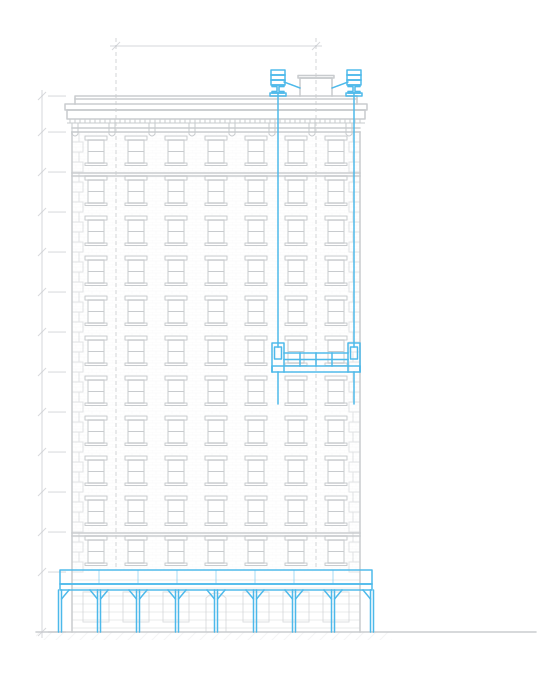
Rigging and hoisting on our license.
The drops for coping and wall work, and every lift of materials up to 2,000 pounds, go up under our own Special Rigger license.
Services and capabilities
01 Investigate
- Roof surveys with core cuts and moisture readings
- Leak tracing and field water testing on the façade
- Asbestos testing arranged before any tear-off
02 Install and repair
- Roof replacement and recovery over wood or concrete decks (roof replacement)
- Base flashing repairs, patching, curb enlargements and roof modifications
- Parapet coping and counter-flashing (parapets)
- New, modified and replacement roof drains
- Roof and terrace pavers, installed and modified
- Skylights, new and replacement
- Bulkhead roof rehabilitation and repairs to water tower roofs
- Wood roof deck replacement
- Green roofs and solar-ready roofing
- Façade sealant replacement, coatings and through-wall flashing (façade waterproofing)
03 Close out
- Manufacturer inspection wherever a warranty is being issued
- A maintenance plan, with notes on roof access
- Photos of the work for your building's files
Signs your roof or walls are letting water in
- Water stains on top-floor ceilings or along exterior walls
- Water still standing on the roof two days after rain
- Membrane with blisters, splits or patches on top of patches
- Cracked or missing sealant at windows and joints
- Peeling paint or white salt deposits (efflorescence) indoors near the roof line
- Rust on drains, leaders or flashing
Questions about roofing and waterproofing
Should we replace our roof or recover it?
Start with core cuts. If they show a sound deck, dry insulation and a roof that has never been recovered, a recovery (a new membrane over the existing roof) is an option, and it usually means less disruption for the building. Wet insulation, deck damage or more than one roof already in place means a full replacement.
Why do our top-floor apartments leak even though the roof is new?
Often the water isn't coming through the roof at all. It's getting in at the parapet coping joints, at flashing that has pulled away where the roof meets the wall, or through open joints in the façade just below the roof line. That's why we look at the roof edge and the top of the wall as one scope.
Can you build a green roof or get our roof ready for solar?
Yes. We prepare the roof, install the waterproofing and drainage layers, and work alongside your solar installer or green roof designer, so the membrane under the panels or planting stays warrantied and accessible.
Do you test for asbestos before tearing off an old roof?
Yes. Older roofing can contain asbestos, so we have a licensed firm test it before tear-off. If they find it, a licensed abatement contractor removes it before the old roof comes off.
Across New York City
Manhattan · Brooklyn · Queens · The Bronx · Staten Island
Let's talk about your building
Tell us where the water shows up
Send us what you're seeing inside, and we'll trace it back to where the water gets in.